Bedding • Sleep comfort
Why Wool Comforters Can Help Balance Sleep Temperature
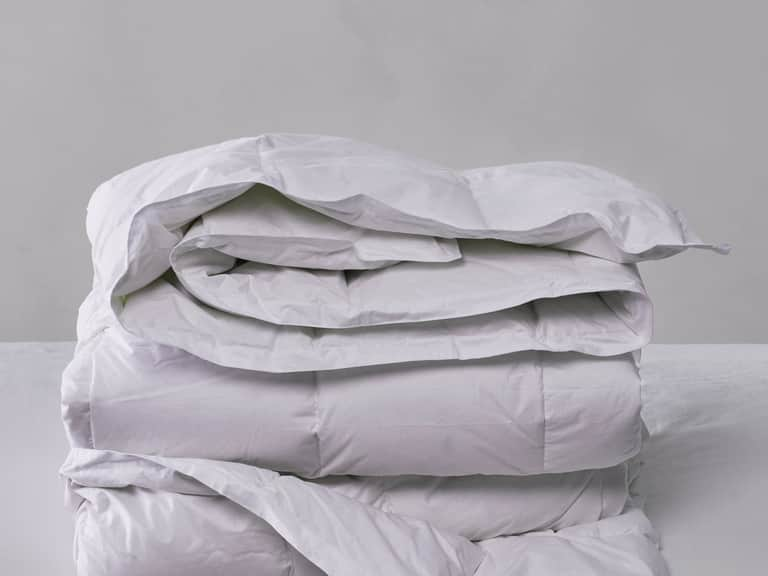
A comfortable night is less about piling on the warmest blanket and more about finding a layer that works with your body and bedroom. Wool comforters offer natural insulation and can help manage moisture, making them an appealing option for sleepers who want warmth without a stuffy, overheated feeling.
Published November 18, 2026
One moment, the covers feel just right. A few hours later, you’re pushing them away, only to reach for them again before morning. If your sleep temperature seems to change throughout the night, the comforter deserves a closer look. It may be too heavy for your room, too warm for your habits, or simply not suited to the way you experience heat and moisture while sleeping.
Wool comforters have attracted attention as a natural alternative to conventional bedding fills because wool can provide insulation while also absorbing moisture vapor. That combination may contribute to a more comfortable sleep environment for some people. But no fiber can promise perfect temperature control for every sleeper. The comforter’s fill amount, construction, cover fabric, room climate and the rest of your bedding all play a part.
The useful question is not whether wool is universally cooler or warmer than every other material. It is whether a particular wool comforter offers the right balance of warmth, weight and care for your needs. Here’s what to know before choosing one.
What people mean by temperature regulation
In bedding, “temperature regulation” is often used as shorthand for maintaining a comfortable-feeling sleep environment as conditions shift. It does not mean a comforter actively sets your body temperature, senses that you are warm, or guarantees that you will not wake up feeling hot. Rather, the materials around you affect how heat and moisture move through the bedding and how much warmth is held close to the body.
That distinction matters. The same comforter may feel cozy to one person and too warm to another. Room temperature, humidity, pajamas, mattress materials, bedding layers and personal preferences all influence the experience. A partner who runs cold may love the very cover that has you kicking off the duvet at midnight.
Wool is worth considering because its fibers can absorb moisture vapor and provide insulation. Those properties may help a comforter feel less clammy than a layer that holds moisture close to the body, while still offering warmth. The result depends on the product itself and the conditions in which it is used—not simply the word “wool” on the label.
How wool’s moisture management may help
During sleep, people naturally release moisture. If bedding feels damp or sticky, that sensation can make a comfortable room feel less comfortable. Wool fibers can take up water vapor, which is one reason wool is often described as moisture-managing. In a comforter, this characteristic may help moderate the feeling of moisture around the sleeper.
Absorbing vapor is not the same as making a bed waterproof, and it does not mean a wool comforter will eliminate sweating. If you regularly wake drenched, or sweating is new, severe or accompanied by other concerning symptoms, bedding may not be the whole story; consider seeking advice from a healthcare professional. For ordinary variations in comfort, however, a breathable sleep setup and appropriate layers can make a noticeable difference to how the bed feels.
It also helps to think in terms of the whole system. A moisture-managing fill can be paired with a breathable shell and a duvet cover that suits your preferences. A dense, less breathable cover, several extra blankets or a very warm bedroom may still leave you feeling overheated. Wool can contribute to comfort, but it cannot compensate for every other choice around the bed.
Insulation without an overly heavy feel
Wool is an insulating fiber, so a wool comforter can offer warmth. Insulation is useful when the bedroom gets cool or when you tend to feel chilly under lighter bedding. The appeal for many shoppers is the possibility of warmth that feels steady rather than excessively dense or sealed-in.
Still, “warmth” and “weight” are separate considerations. A generously filled comforter may feel substantial on the body; a lighter fill may feel less enveloping, even if it provides enough insulation for a mild climate. Construction also matters. The comforter’s quilting or compartments affect how the fill is distributed, which can shape loft, coverage and the feeling of consistency across the bed.
When you shop, look for clear information about fill weight, dimensions, construction and the maker’s warmth guidance. Labels and descriptions vary, so a product called “all-season” is not a universal promise. If the manufacturer provides a warmth rating, use it as a starting point rather than a guarantee that it will match your particular room or sleep habits.
Consider your own pattern: Do you feel cold when you first get into bed but warm later? Do you sleep with a window open? Is your bedroom heated in winter or naturally cool all year? These details can guide you toward a lighter or heavier option more reliably than the season printed on the calendar.
The fill amount and construction make a difference
Two wool comforters may behave differently, even when both use wool. The quantity of fill, its distribution, the way the shell is woven and the overall design all influence how a comforter drapes and retains warmth. A lofty, heavily filled version may suit someone who likes a snug, cocooning bed. A lower-profile option may be a better match for a warm room or someone who prefers less weight overhead.
Pay attention to how the fill is held in place. Stitching or baffle construction can help keep insulation distributed, though designs vary and no construction method is automatically right for everyone. Uneven fill can create areas that feel warmer or cooler, while a well-made comforter should maintain reasonably consistent coverage with ordinary use.
Size matters, too. A comforter that is too small may leave gaps at the sides, particularly if two people share a bed. More coverage can feel cozier, but a larger comforter can also bring more material and weight. Check the dimensions against your mattress and think about whether you like a tailored fit or a generous drape.
Wool compared with down and down alternatives
Wool is one choice among several common comforter fills. Down is prized for loft and lightness, while synthetic down alternatives are often selected by people who prefer a non-down fill or want a particular care routine. Wool’s appeal is different: shoppers may be interested in its natural insulating and moisture-absorbing characteristics and its distinctive feel.
There is no single best fill for all sleepers. A person who prioritizes a very light, lofty comforter might prefer one material; someone who wants a more grounded feel may favor another. Care instructions, allergies or sensitivities, sourcing preferences, budget and the local climate all belong in the decision.
It is also wise not to rely on broad claims such as “naturally hypoallergenic” without checking the exact product details and your own sensitivities. Materials and manufacturing differ, and individual reactions vary. Read the label, review the care guidance and ask the manufacturer specific questions if you have a known allergy or concern.
Choosing a wool comforter for changing seasons
Seasonal flexibility does not always require buying a separate comforter for every month. A single moderate-weight layer can work through much of the year in a stable indoor climate. In homes with bigger temperature swings, layering can offer more control: use the comforter on its own in mild weather and add a lighter blanket when the room cools down.
For a warm climate, a bedroom that stays heated, or a sleeper who tends to overheat, investigate lighter fill levels and pay close attention to the maker’s warmth guidance. For a cool room, an unheated space or someone who often feels cold, a warmer option may be more suitable. If two people share the bed and have very different needs, separate blankets or layers can sometimes be more practical than trying to find one comforter that pleases everyone.
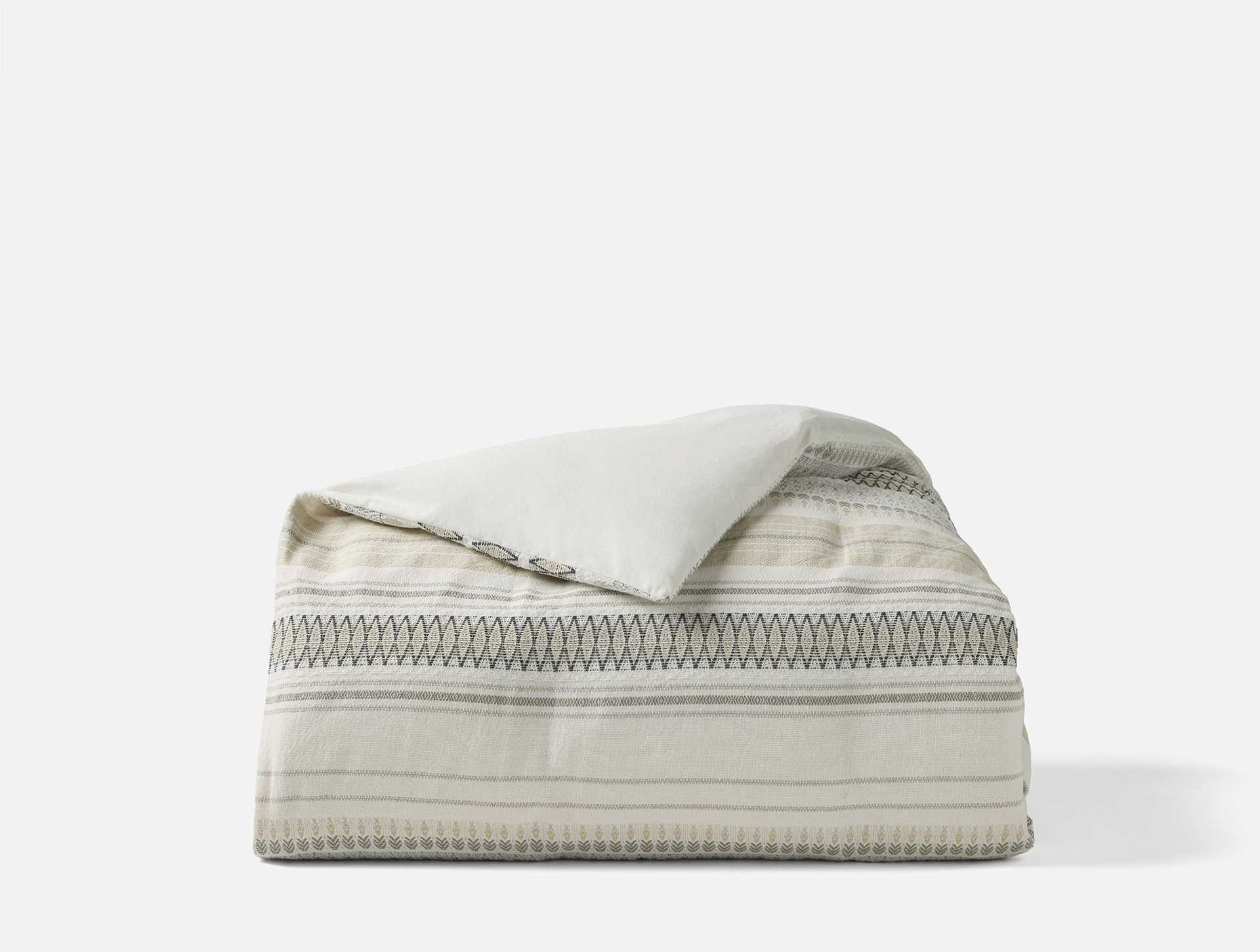
Keep the cover in mind. Cotton and linen are common choices, and their weave and weight can change how the bedding feels. A lighter, breathable cover may keep the ensemble from feeling too enclosed; a heavier cover can add a more substantial hand. The cover also protects the comforter and can usually be washed more routinely, depending on its care label.
Care, cleaning and everyday upkeep
Before buying, check the care label rather than assuming that a wool comforter can go into a standard home washing machine. Some products may require professional cleaning or specific handling; others may provide different instructions. Following the maker’s guidance helps protect the fill and construction. If the care routine feels impractical, that is a meaningful factor—not a small detail to figure out later.
A duvet cover can help reduce direct contact with the comforter and make routine laundering easier, provided the cover is cared for according to its instructions. Airing bedding when appropriate and keeping the bedroom reasonably dry can also support freshness. For storage, follow the product’s directions and avoid putting away bedding while it is damp.
Wool has a reputation for durability, but longevity depends on the quality of the materials, construction and care. Ask about cleaning, warranty terms and any specific handling requirements before making a purchase. A comforter that suits your sleep preferences but is difficult to maintain may not be the right long-term choice.
A practical checklist before you buy
Rather than shopping by a single headline claim, compare the details that shape daily use. A short checklist can help keep the decision grounded:
- Warmth: Does the maker describe the comforter as lightweight, medium or warm? Is that guidance suited to your bedroom?
- Fill amount: Is the fill weight or another useful specification listed, or is the description too vague to compare?
- Construction: How is the fill distributed, and does the comforter include details that help it stay in place?
- Shell and cover: What fabrics touch the sleeper, and will your preferred duvet cover fit securely?
- Care: Can you follow the cleaning and storage instructions in your home?
- Room and routine: Do you sleep in a warm or cool room, and do you tend to add or remove layers overnight?
- Preferences: Do you like a light, barely-there layer or a comforter with a more enveloping feel?
These questions make it easier to compare wool comforters with other bedding options without expecting one fiber to do everything. They also help separate the comforter’s actual specifications from broad marketing language.
What wool can—and cannot—do for sleep
A suitable wool comforter may help create a sleep surface that feels warm without becoming overly stuffy, in part because wool can insulate and manage moisture vapor. That can be appealing for people whose comfort shifts during the night or who dislike the sensation of heavy, clammy bedding. The benefit is personal and depends on the complete setup, not just the fill.
A comforter cannot diagnose or resolve persistent sleep disruption, unexplained night sweats or other health concerns. Nor can it overcome a room that is uncomfortably hot, unsuitable sleepwear or a stack of layers that retains too much warmth. If you are often waking uncomfortable, try changing one factor at a time—such as the room temperature, pajamas or top layer—so you can identify what helps.
That measured approach is especially useful when making a considered bedding purchase. A comforter is a central layer, but the best sleep environment comes from the way its materials, weight and care fit your real life. Choose for the room you have, the way you sleep and the maintenance you can manage.
The bottom line
Wool comforters can be a thoughtful option for sleepers seeking natural insulation with moisture-management properties. Their appeal lies in the balance they may offer: enough warmth for comfort, with a feel that some people find less heavy or stuffy than other bedding. But results are not identical for everyone, and the word “wool” alone does not tell you how warm a comforter will feel.
Compare fill amount, construction, shell, size and care instructions, then consider your bedroom climate and the way your temperature changes overnight. A well-matched comforter should feel comfortable in your actual routine—not just sound appealing on a product label. If wool’s characteristics align with your preferences and the care requirements work for you, it may be a worthwhile addition to a thoughtfully layered bed.