Wool is a natural fiber used in bedding for its warmth, resilience, and ability to help regulate temperature. In pillows and other sleep products, wool fill can provide cushioning while allowing air to circulate. These characteristics make wool bedding relevant to people comparing materials for different climates, comfort preferences, and sleep routines.
Wool fibers can absorb moisture vapor and release it into the surrounding air, which may help bedding feel more comfortable across changing conditions. Their spring-like structure also supports loft and cushioning. Performance varies with the wool type, fill construction, and cover fabric, so product details matter when comparing pillows or duvet covers.
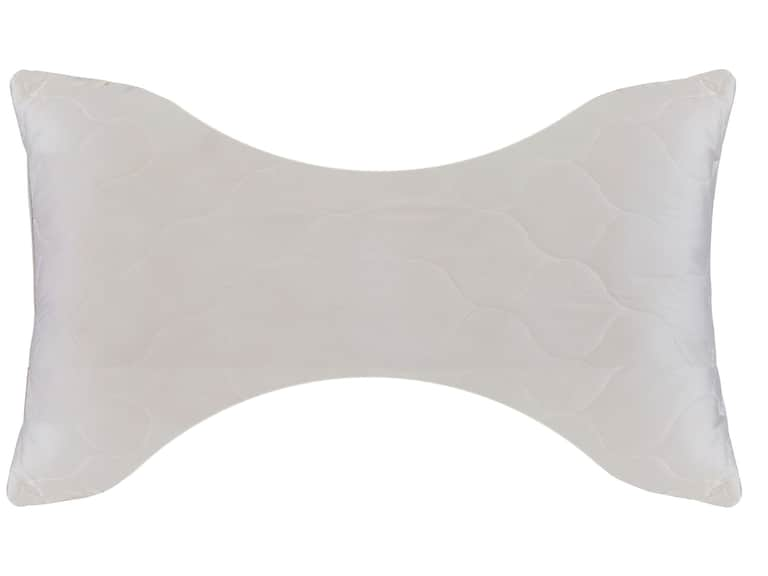
The Sleep and Beyond myDual Side Pillow is a wool-related bedding option designed with side sleeping in mind. Its dual-sided format offers two surfaces for users to consider when choosing a feel, while the pillow provides head and neck cushioning. Checking the product’s materials and care instructions can clarify its suitability for individual needs.
When evaluating wool pillows, consider loft, firmness, dimensions, and whether the fill or cover can be adjusted or cleaned. Side sleepers often look for enough height to support the space between the shoulder and head. These practical factors can also guide comparisons with latex pillows and other bedding materials.
Wool bedding can be considered alongside organic mattresses, latex sleep products, pillows, and duvet covers when assessing a complete sleep setup. Fiber sourcing, fabric composition, and maintenance requirements vary by product. Reading specifications helps distinguish natural-fiber features from comfort claims and supports informed choices based on sleeping position and personal temperature preferences.
 Bedding